How to Manage an Election Campaign Effectively
Running an election campaign requires much more than public meetings, posters, rallies, and speeches. A successful campaign depends on careful planning, accurate voter information, organized booth-level activities, effective communication, and the ability to make informed decisions at the right time. This is why understanding How to Manage an Election Campaign Effectively is important for candidates, campaign teams, political organizations, and election professionals.
Modern election campaigns increasingly depend on technology to organize large amounts of information and coordinate activities across different teams. From voter data management and booth planning to social media communication and real-time campaign analytics, digital tools can make campaign operations more structured and manageable.
Pradhan Sevak provides election management and digital campaign solutions designed to help campaign teams organize their work efficiently. Its solutions include Election Management Software with App, Voter Data Management, Booth Management, Real-Time Data & Analytics, Social Media Campaigns, Bulk SMS & WhatsApp, and Bulk Voice Calls.
Whether you are preparing for an upcoming election or looking to improve your existing campaign process, the right combination of strategy, people, data, and technology can help create a more organized campaign.
How to Manage an Election Campaign Effectively
The first step in learning How to Manage an Election Campaign Effectively is to create a clear campaign structure. Every campaign should have defined objectives, responsibilities, timelines, communication channels, and reporting systems.
A practical election campaign can be organized around the following areas:
- Campaign planning and goal setting
- Voter data management
- Constituency and booth-level organization
- Volunteer coordination
- Door-to-door campaign planning
- Public outreach and communication
- Social media management
- SMS, WhatsApp, and voice communication
- Real-time reporting and analytics
- Daily monitoring and performance review
When these areas work together, campaign leaders can understand what is happening on the ground and where additional attention may be required.
1. Start With a Clear Election Campaign Plan
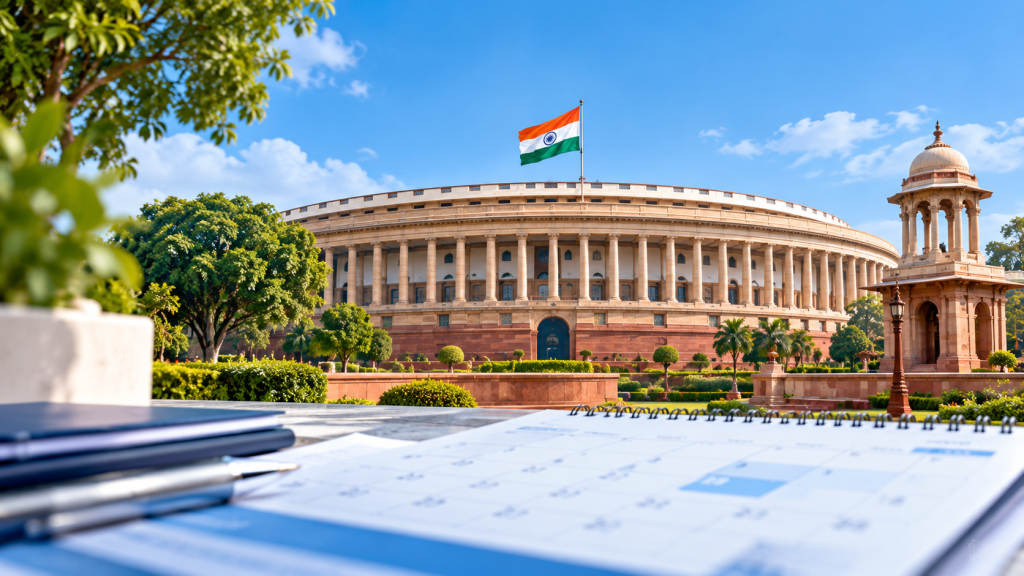
Every successful campaign begins with a structured plan. Before starting field activities, define the campaign’s objectives, target audience, key messages, important dates, responsibilities, and available resources.
Create a campaign calendar covering major activities such as:
- Candidate meetings
- Public events
- Door-to-door outreach
- Volunteer meetings
- Booth-level activities
- Social media campaigns
- Voter communication
- Campaign reviews
A written plan makes it easier for campaign managers to coordinate multiple teams without confusion.
It is also useful to establish a reporting hierarchy. For example, booth-level workers can report to coordinators, coordinators can report to constituency-level managers, and senior campaign managers can review consolidated reports.
2. Organize and Manage Voter Data
Voter information is one of the most important resources in an election campaign. However, simply collecting voter information is not enough. Campaign teams need a structured system to organize and manage information responsibly.
Voter Data Management can help campaign teams maintain organized records, identify gaps in available information, and make campaign operations easier to coordinate.
With a suitable election management platform, authorized campaign teams can manage relevant voter information, organize records, and coordinate outreach activities more efficiently.
Data should always be handled responsibly and in accordance with applicable election laws, privacy requirements, and platform policies.
3. Strengthen Booth-Level Management
An election campaign becomes much more manageable when responsibilities are organized at the booth level.
Booth Management allows campaign teams to establish clear responsibilities for different areas. Booth coordinators and volunteers can receive assigned tasks and report campaign activities through a centralized system.
A booth-level structure can help with:
- Volunteer coordination
- Task assignment
- Field activity tracking
- Local campaign planning
- Reporting
- Communication between campaign teams
Instead of depending entirely on scattered spreadsheets, phone calls, and messaging groups, a centralized system can provide better visibility into campaign operations.
4. Use Election Management Software With App Support
Managing an election campaign involves information coming from many different sources. Campaign managers may need to coordinate field workers, review activities, communicate with teams, and monitor reports.
An Election Management Software with App can bring several campaign functions into one organized digital environment.
With Pradhan Sevak, campaign teams can use election management solutions to coordinate voter data, booth activities, campaign communication, and reporting.
Mobile access is particularly useful for field teams because campaign workers are often working outside the office. An app-based system can help authorized users access relevant information and update assigned activities while working in the field.
The objective is not simply to add technology to a campaign. The technology should make campaign management simpler, faster, and more organized.
5. Monitor Campaign Performance With Real-Time Data & Analytics
Campaign decisions should be based on reliable information rather than assumptions.
Real-Time Data & Analytics can help campaign managers monitor campaign activities and understand how different teams are performing.
Useful campaign reports may include:
- Activity completion
- Booth-level updates
- Volunteer activity
- Outreach progress
- Communication activity
- Field reports
- Campaign task status
Regular reporting allows campaign leaders to identify areas that need attention. It can also reduce delays between an activity taking place and senior campaign managers receiving an update.
The key is to focus on actionable information. A dashboard should help answer practical questions rather than simply display large amounts of data.
6. Build an Effective Social Media Campaign
Digital communication has become an important part of modern election campaigns. Candidates and campaign organizations can use social media to share announcements, explain their priorities, communicate campaign activities, and engage with audiences.
A good Social Media Campaign should have a consistent content strategy.
Plan content around:
- Candidate introductions
- Campaign announcements
- Public events
- Policy-related information
- Community engagement
- Short videos
- Images and graphics
- Candidate messages
- Event reminders
Consistency is important, but campaign communication should remain authentic and responsible. Avoid misleading information, unverified claims, impersonation, or content that violates election rules or platform policies.
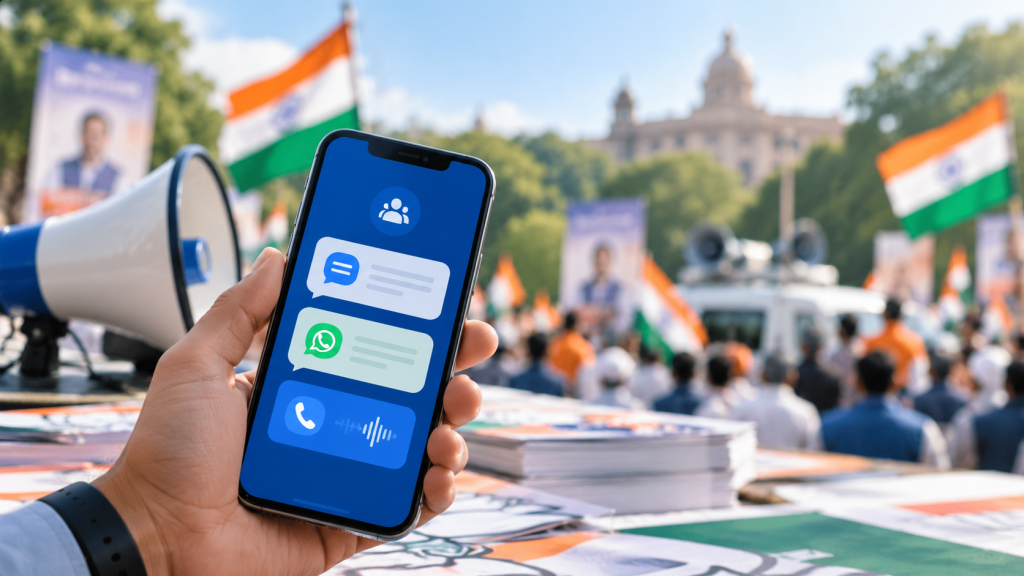
7. Use Bulk SMS & WhatsApp for Organized Communication
Direct communication can be useful when campaign teams need to distribute important information to a large audience.
Bulk SMS & WhatsApp solutions can support organized campaign communication, such as event information, approved campaign messages, reminders, or updates.
However, bulk communication should be used responsibly. Campaign teams should follow applicable consent requirements, election regulations, messaging-platform policies, and other legal restrictions.
Messages should be concise and easy to understand. Instead of sending frequent generic messages, focus on relevant and useful communication.
8. Use Bulk Voice Calls for Important Messages
Some audiences may respond better to voice communication than text messages. Bulk Voice Calls can help campaign teams deliver recorded messages or announcements at scale where legally permitted.
Voice campaigns can be considered for:
- Event reminders
- Campaign announcements
- Candidate messages
- Important updates
- Scheduled communication
As with SMS and WhatsApp communication, campaign teams should ensure that voice campaigns comply with applicable laws and regulations.
9. Coordinate Volunteers and Field Teams
People remain at the center of every election campaign. Technology can organize information, but campaign workers are responsible for executing activities on the ground.
Create clear roles for:
- Booth coordinators
- Field volunteers
- Area coordinators
- Social media teams
- Communication teams
- Data management teams
- Campaign managers
Each team should understand what it is responsible for, whom it reports to, and how completed tasks should be recorded.
Regular meetings can also help campaign leaders identify operational challenges before they become larger problems.
10. Review the Campaign Every Day
One of the most effective ways to improve campaign management is regular review.
At the end of each day, campaign managers should review:
- What activities were completed?
- Which tasks were delayed?
- Which teams need support?
- What new information was received?
- What communication was sent?
- What needs to happen the following day?
Daily reviews create a continuous feedback loop between campaign planning and field execution.
Instead of waiting until the end of the campaign to evaluate performance, campaign teams can identify operational issues and make adjustments throughout the campaign.
Common Mistakes to Avoid in Election Campaign Management
Understanding How to Manage an Election Campaign Effectively also means knowing what can make campaign operations difficult.
Common mistakes include:
Poor Data Organization
Scattered records and duplicate information can make campaign management unnecessarily difficult. Use a structured and secure system for authorized campaign data.
Lack of Clear Responsibilities
When multiple people are responsible for the same task—or nobody clearly owns it—important activities can be delayed.
Overdependence on Manual Reporting
Excessive reliance on spreadsheets, phone calls, and disconnected messaging groups can make it harder to get a complete picture of campaign activity.
Inconsistent Communication
Sending unclear or repetitive messages can reduce audience engagement. Campaign communication should be planned, relevant, and compliant.
Ignoring Field-Level Feedback
Campaign leaders should not rely only on centralized reports. Feedback from field teams can provide important context for campaign planning.
Why Pradhan Sevak Can Help Manage an Election Campaign
Pradhan Sevak brings multiple election management and digital campaign functions together to help campaign teams organize their operations.
Its solutions include:
- Election Management Software with App
- Voter Data Management
- Booth Management
- Real-Time Data & Analytics
- Social Media Campaigns
- Bulk SMS & WhatsApp
- Bulk Voice Calls
The purpose of these tools is to support better organization, communication, monitoring, and coordination throughout an election campaign.
Instead of treating voter data, booth operations, communication, and reporting as completely separate activities, campaign teams can use an integrated approach to manage their workflow more efficiently.
Contact Us
Looking for reliable election management and digital campaign solutions? Pradhan Sevak is here to help you plan, organize, and manage your election campaign more effectively.
Call: +91 9545097341
Email: info@pradhansevak.com
Address: Vasai (East), Mumbai – 401208.
Get in touch with Pradhan Sevak today and take the next step toward a more organized and efficient election campaign.
Frequently Asked Questions
1. How to Manage an Election Campaign Effectively?
To manage an election campaign effectively, start with a clear plan, organize voter data responsibly, establish booth-level teams, coordinate volunteers, maintain consistent communication, monitor campaign activities, and review performance regularly. Digital election management tools can help bring these activities into a more organized workflow.
2. What is Election Management Software?
Election Management Software is a digital platform that can help campaign teams organize activities such as voter data management, booth management, team coordination, reporting, communication, and campaign monitoring.
3. Why Is Voter Data Management Important in an Election Campaign?
Voter Data Management helps campaign teams organize relevant information in a structured manner. It can make campaign planning and authorized outreach easier while reducing dependence on scattered records. All voter information should be handled according to applicable privacy and election requirements.
4. How Can Social Media Help an Election Campaign?
Social media can help candidates and campaign teams communicate campaign messages, announcements, events, videos, and other approved content to online audiences. A consistent and responsible content strategy can make digital communication more organized.
5. Can Pradhan Sevak Help With Booth and Campaign Management?
Yes. Pradhan Sevak offers election management solutions covering Election Management Software with App, Voter Data Management, Booth Management, Real-Time Data & Analytics, Social Media Campaigns, Bulk SMS & WhatsApp, and Bulk Voice Calls to support campaign organization and digital communication.
Conclusion
Learning How to Manage an Election Campaign Effectively requires a combination of planning, organized teams, responsible data management, clear communication, and continuous monitoring. Technology can strengthen this process by bringing important campaign functions together and giving campaign managers better visibility into their operations.
From voter data and booth management to analytics, social media, SMS, WhatsApp, and voice communication, the right digital tools can help campaign teams build a more structured workflow.
Pradhan Sevak provides election management and digital campaign solutions designed to support campaign teams throughout their election journey.