Latest Election Dates and Important Deadlines in India
Elections in India involve several important dates and deadlines, from the announcement of the election schedule to nomination filing, scrutiny of nomination papers, withdrawal of candidatures, polling, and counting of votes. Keeping track of these dates helps political parties, candidates, campaign managers, and election teams prepare more effectively.
Understanding the Latest Election Dates and Important Deadlines in India is essential for planning campaign activities, coordinating booth-level teams, managing voter information, and communicating with supporters at the right time. Missing an official deadline can affect election preparations and, in certain cases, a candidate’s eligibility to participate.
However, election dates are not the same for every state or constituency. General elections, state legislative assembly elections, by-elections, and local body elections may follow different schedules and rules.
Why Are Election Dates and Deadlines Important?
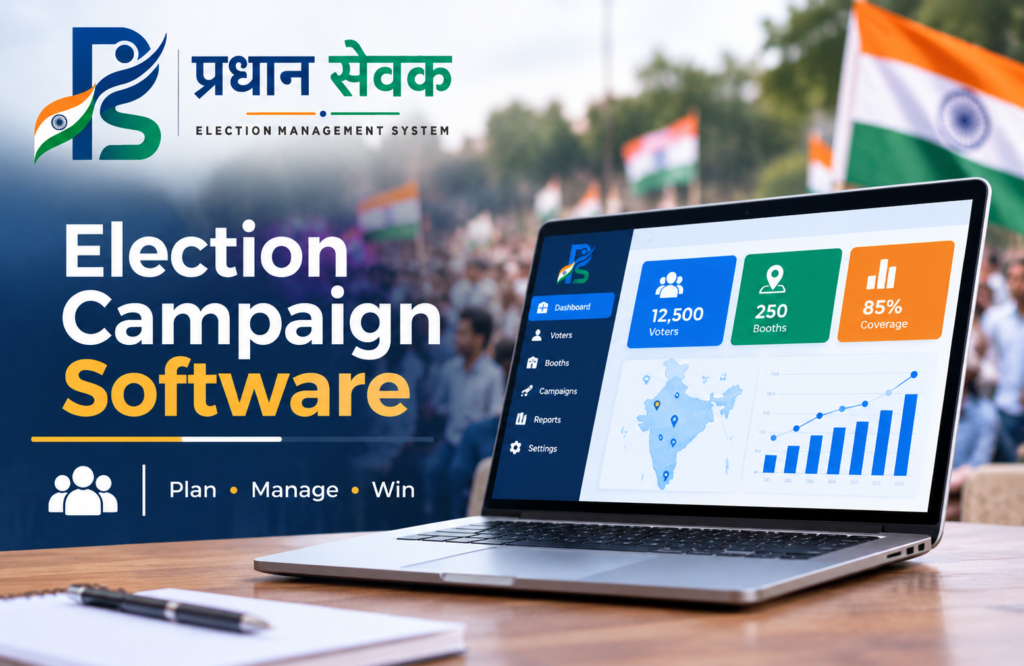
Election Management Software is a digital platform that helps campaign teams organize and manage election-related activities using technology. Depending on the platform, it can include tools for voter information, booth management, campaign communication, field activities, analytics, and team coordination.
The main reasons to track election dates include:
- Timely campaign planning: Organize rallies, public meetings, outreach activities, and candidate visits around the official schedule.
- Nomination preparation: Keep documents ready and monitor the deadline for filing nomination papers.
- Booth-level coordination: Assign responsibilities to booth workers and local campaign teams.
- Voter awareness: Share accurate information about polling dates and voting procedures.
- Resource management: Plan staff availability, campaign materials, and communication activities.
- Compliance with election rules: Follow applicable instructions, expenditure requirements, and campaign restrictions.
With a clear timeline and a centralized system for campaign activities, teams can work in a more organized and coordinated manner.
Latest Election Dates and Important Deadlines in India: Where to Check
The most reliable source for election dates is the official authority responsible for conducting the relevant election.
1. Election Commission of India
The Election Commission of India announces schedules for Lok Sabha elections, elections to state legislative assemblies, and relevant by-elections.
Check its election schedule announcements, press notes, notifications, and other official updates. The Voters’ Service Portal at https://voters.eci.gov.in/ also provides voter-related services.
2. State Election Commissions
Municipal corporation, municipal council, panchayat, and other local body elections are generally handled by the relevant State Election Commission under the applicable legal framework.
Always verify which authority is responsible for the particular election you are following.
3. Official Notifications and Election Results Websites
Election schedules may be updated through official notifications and press conferences. Campaign teams should check the original notification rather than depending entirely on social media posts, forwarded messages, or unofficial websites.
Before acting on a deadline, confirm the relevant state, constituency, election type, and date mentioned in the official announcement.
Key Stages in the Indian Election Schedule
Although the exact timeline varies by election, the following stages commonly appear in election schedules.
1. Announcement of the Election Schedule
The relevant election authority announces the polling dates and other important milestones. Depending on the election, the schedule may include nomination dates, scrutiny, withdrawal, polling, and counting.
Campaign teams should review the complete notification and create a calendar of important activities immediately after the announcement.
2. Filing of Nomination Papers
Candidates must submit their nomination papers within the prescribed period and in accordance with applicable election rules.
The nomination process may involve preparing affidavits, gathering supporting documents, meeting eligibility requirements, and completing other formalities.
Candidates should verify the official instructions for their election and constituency. A campaign calendar can help the team monitor document preparation and submission responsibilities.
3. Scrutiny of Nominations
After nominations close, the designated election authority examines the submitted papers according to applicable rules.
Candidates and their authorized representatives should understand the scrutiny schedule and ensure that the required documentation has been prepared correctly.
4. Withdrawal of Candidature
Eligible candidates may withdraw their nominations within the officially prescribed period.
The final list of contesting candidates is generally published after the withdrawal stage. Campaign teams should use verified information when updating campaign materials and internal plans.
5. Polling Day
Polling takes place on the date or dates announced for the relevant constituency or election phase.
Campaign teams must understand the applicable campaign restrictions, including the rules governing election silence periods and public campaigning. They should also follow official instructions concerning voter assistance, polling agents, and permitted activities.
The exact requirements depend on the election and the applicable rules.
6. Counting of Votes and Declaration of Results
Votes are counted according to the schedule and procedures announced by the election authority. Results should be followed through official election results platforms and authorized announcements.
Teams should avoid circulating unverified figures or declaring results based on rumours before official confirmation.
How to Track Election Deadlines Without Confusion
Tracking several deadlines can become difficult when campaign information is spread across messages, spreadsheets, paper notes, and different team members.
A simple, structured approach can make election planning easier.
Create a Centralized Election Calendar
Maintain a calendar containing the official announcement date, nomination deadline, scrutiny date, withdrawal deadline, polling date, and counting date, wherever applicable.
Include the source of each date and the date on which it was verified. Assign a responsible person to check for official updates.
Set Reminders Before Every Deadline
Do not wait until the last day to prepare for important activities. Set internal reminders in advance for documentation, meetings, campaign materials, and team coordination.
Internal preparation dates should be clearly distinguished from legally prescribed deadlines.
Keep Teams Updated
Share confirmed schedule changes with relevant campaign managers, booth coordinators, volunteers, and authorized representatives. Ensure everyone uses the same verified information.
Verify Updates Before Sharing
When a date changes or a new notification is published, check the official source before updating campaign schedules or communicating the information to others.
A consistent verification process helps reduce errors and prevents outdated information from spreading.
How Pradhan Sevak Helps Manage Election Campaigns
Knowing the election schedule is only one part of campaign preparation. Teams also need to coordinate people, organize voter-related information, monitor field activities, and communicate efficiently.
Pradhan Sevak offers election management and digital campaign solutions designed to help campaign teams organize these activities through a more structured workflow.
Election Management Software with App
Pradhan Sevak helps bring election campaign activities into a more organized digital workflow. Teams can use an election management system to coordinate tasks, maintain campaign information, and support day-to-day planning.
A centralized approach can make it easier for campaign managers to track responsibilities and keep relevant information accessible to authorized team members.
Voter Data Management
Organized voter data can help campaign teams maintain records, segment information for legitimate campaign planning, and reduce duplication.
Pradhan Sevak’s voter data management solution can support more structured handling of voter-related information. Teams should ensure that any collection, access, storage, and use of personal data follows applicable privacy requirements and election rules.
Booth Management
Booth-level coordination is an important part of campaign organization. Teams need to assign responsibilities, communicate updates, and track local activities.
Real-Time Data and Analytics
Campaign managers need timely information to understand operational progress and identify activities requiring attention.
Pradhan Sevak’s real-time data and analytics solutions can support campaign monitoring and reporting, depending on the information collected and features available in the selected setup.
Clear reporting can help teams review completed tasks, identify gaps, and make informed operational decisions.
Social Media Campaigns
Digital communication is an important channel for sharing verified campaign updates, public announcements, and event information.
Pradhan Sevak supports social media campaign activities that can help teams organize digital outreach. All published content should be accurate, transparent, and compliant with applicable election advertising and platform policies.
Bulk SMS and WhatsApp
Campaign teams may need to share meeting information, event reminders, or other relevant updates with intended recipients.
Bulk Voice Calls
Voice communication may be useful for sharing appropriate campaign announcements and reminders.
Pradhan Sevak offers bulk voice call solutions to support organized outreach. Campaign teams should use these services responsibly and comply with applicable telecom, consent, privacy, and election requirements.
Together, these tools can help campaign teams connect election schedule planning with day-to-day campaign management.
Election Preparation Checklist for Campaign Teams
Use the following checklist after the relevant election schedule is officially announced:
- Confirm the election type, state, constituency, and polling phases.
- Save the official election notification.
- Record all applicable nomination, scrutiny, withdrawal, polling, and counting dates.
- Assign responsibility for monitoring official updates.
- Prepare a calendar with internal reminders.
- Organize campaign responsibilities and booth-level coordination.
- Review voter-related data for accuracy and appropriate access.
- Schedule permitted communication and digital campaign activities.
- Check applicable campaign restrictions and compliance requirements.
- Review the schedule regularly and update teams when official changes occur.
This checklist can be adapted to the specific election and the rules that apply to it.
Common Mistakes to Avoid When Tracking Election Dates
Even well-organized campaign teams can encounter problems if they rely on incomplete or outdated information.
Depending on unofficial sources: Social media posts and forwarded messages may contain incorrect dates. Verify information against official notifications.
Confusing election types: Parliamentary, assembly, and local body elections may be conducted by different authorities and follow different schedules.
Ignoring constituency-specific details: Polling may take place in multiple phases, so the date for one constituency may differ from another.
Leaving preparations until the last minute: Complete internal preparation well before official deadlines whenever possible.
Sharing unverified updates: Confirm schedule changes before communicating them to volunteers or the public.
Overlooking compliance: Campaign communication, advertising, voter data handling, and polling-related activities must follow applicable laws and official directions.
Avoiding these mistakes can improve coordination and help campaign teams prepare with greater confidence.
Consider Data Security and Compliance
Campaign teams should carefully evaluate how information is stored, accessed, protected, and managed.
Contact Pradhan Sevak
Visit Pradhan Sevak to explore election management solutions for your campaign needs.
Frequently Asked Questions
1. Where can I check the latest election dates in India?
Visit the Election Commission of India’s official website at https://www.eci.gov.in/ for Lok Sabha, state assembly, and relevant by-election schedules. For local body elections, check the relevant State Election Commission.
2. What are the important deadlines in an election?
Common milestones include the announcement of the schedule, nomination filing, scrutiny of nominations, withdrawal of candidature, polling, and counting of votes. The exact dates and applicable requirements depend on the election notification.
3. Are election dates the same across all Indian states?
No. Election dates can vary by state, constituency, election type, and polling phase. Some elections take place in multiple phases, while others follow different schedules.
4. How can campaign teams manage election deadlines effectively?
Campaign teams can maintain a centralized election calendar, verify dates through official notifications, set advance reminders, assign responsibilities, and communicate confirmed updates to relevant team members. Election management tools can help organize these activities.
5. How does Pradhan Sevak support election campaign management?
Pradhan Sevak provides solutions such as Election Management Software with App, Voter Data Management, Booth Management, Real-Time Data and Analytics, Social Media Campaigns, Bulk SMS and WhatsApp, and Bulk Voice Calls to support campaign organization and communication.
Conclusion
Keeping track of the Latest Election Dates and Important Deadlines in India is an important part of effective election preparation. From nomination filing and scrutiny to polling and counting, every stage requires attention to official notifications, careful planning, and timely coordination.
Pradhan Sevak can support campaign teams with election management software, voter data management, booth coordination, analytics, and digital communication solutions. By combining verified election information with organized campaign workflows, teams can manage their responsibilities more efficiently while following applicable rules.
Latest Election Dates and Important Deadlines in India Latest Election Dates and Important Deadlines in India Latest Election Dates and Important Deadlines in India Latest Election Dates and Important Deadlines in India Latest Election Dates and Important Deadlines in India Latest Election Dates and Important Deadlines in India Latest Election Dates and Important Deadlines in India Latest Election Dates and Important Deadlines in India Latest Election Dates and Important Deadlines in India Latest Election Dates and
Latest Election Dates and Important Deadlines in India Latest Election Dates and Important Deadlines in India Latest Election Dates and Important Deadlines in India Latest Election Dates and Important Deadlines in India Latest Election Dates and Important Deadlines in India Latest Election Dates and Important Deadlines in India Latest Election Dates and Important Deadlines in India Latest Election Dates and Important Deadlines in India Latest Election Dates and Important Deadlines in India Latest Election Dates and